Heavy, sheet-like peeling for a week or so after a medium-depth peel is usually normal; peeling that comes with cracking, weeping, spreading redness, pus or worsening pain is not. This guide explains how to tell the two apart, what to stop doing straight away, and when to contact the doctor who treated you. It does not replace their advice.
How much peeling is normal after a chemical peel?
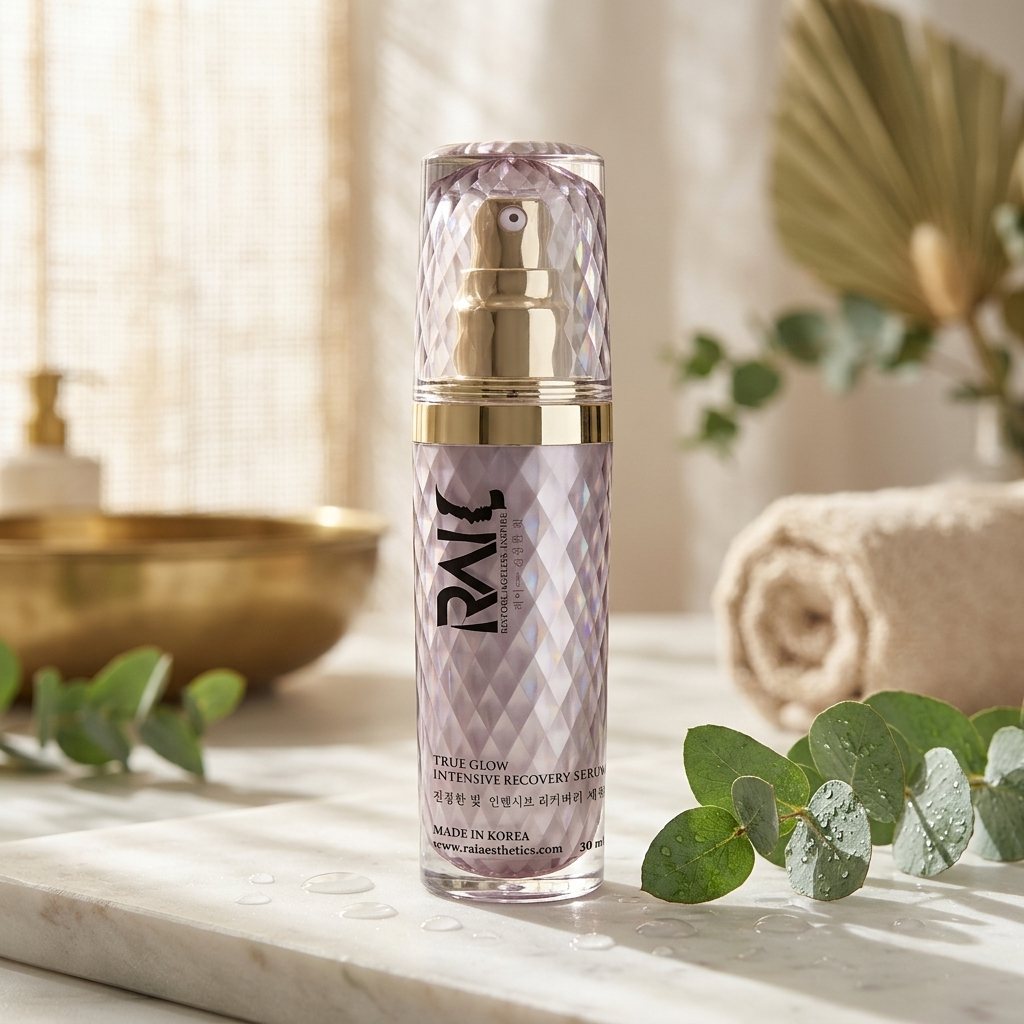
Flaking after a superficial peel and sheet-like shedding for a week or so after a medium-depth peel are both normal. The American Academy of Dermatology's patient guidance describes scaling for three to seven days after a light peel, and crusting and peeling over seven to fourteen days after a medium peel, with swelling that worsens for about 48 hours. Peeling becomes a concern when the skin cracks open, weeps longer than expected, bleeds, or hurts more each day rather than less. Then the first call is to the clinic that treated you, not your bathroom cabinet. Once your skin has fully closed and your doctor clears you to resume skincare, a hydrating post-peel recovery serum is a common choice for the dry, tight weeks that follow; until then, use only what your clinic prescribed.
| Peel depth | Usual peeling and healing | Redness that is still within normal |
|---|---|---|
| Superficial ("lunchtime") peel | Light flaking; healing in 1 to 7 days | Settles within about 3 to 5 days |
| Medium-depth peel (e.g. TCA) | Swelling peaks ~48 hours; crusting and peeling over 7 to 14 days | May last 15 to 30 days |
| Deep peel | Bandaged; healing 14 to 21 days | May last 60 to 90 days |
Healing windows are from the AAD; redness windows are from a review of medium and deep peel complications in the Journal of Cutaneous and Aesthetic Surgery, which calls redness lasting beyond them abnormal. Treat the table as a guide and your doctor's instructions as the rule. Our day-by-day peel recovery guide covers the ordinary version.
Signs the peeling is more than it should be
Peeling has crossed from normal into "call the clinic" territory when the skin splits rather than sheds, when raw or weeping patches persist beyond the first few days of a medium peel, or when redness, swelling, burning or pain are increasing. A prevention review in the same journal lists exactly these as the symptoms patients should report promptly: excessive redness, swelling, burning or pain, crusts, oozing, pus formation or blisters.
- Cracking or fissures, especially around the mouth, nose and jaw, where the skin moves most.
- Weeping or oozing past the early crusting phase, or yellow or green fluid at any stage.
- Bleeding where sheets of skin have come away, leaving shiny, raw areas.
- Redness spreading beyond the treated area, or patches that feel hot, firm or thickened.
- Pain getting worse after day two or three, when it should be easing.
- Uneven depth, with some areas much deeper or darker than the rest.
If any of these describe your skin, photograph it in daylight and contact your treating doctor the same day.
Why a peel sometimes peels too much
Over-peeling usually comes down to more acid reaching the skin than planned, or skin that was drier or more fragile than expected. The prevention review notes that retinoid priming, recent isotretinoin and the concentration used all change how deep a peel goes. Aftercare matters too: the AAD warns that skin which dries out can crack, and cracked skin is more likely to scar, and it lists picking, scratching, early makeup and skipped sun protection as the usual reasons serious problems follow a peel. Pulling at loose edges removes skin that was still attached underneath. Tell your doctor what happened; it helps them judge the depth of the injury.
What to stop doing right now
Stop everything that pulls, dries, heats or stings the skin, and add nothing new until your doctor has seen it.
- Do not peel, pick, scratch, rub or scrub. Let edges lift and fall on their own, or let the clinic trim them.
- Stop all exfoliants, retinoids, vitamin C, acids and brightening actives until shedding is complete and your doctor restarts them. Our guide to restarting actives after procedures explains the usual order.
- No hot showers on the face, saunas, steam, swimming or sweaty exercise while the skin is open.
- No makeup over cracked or weeping skin, and no new serums, oils or "soothing" home remedies on broken skin, including ours.
- Keep applying only the moisturiser or ointment your clinic prescribed; the AAD advises moisturising as directed so the skin does not dry and crack.
- Stay out of the sun until the skin has healed, then use sunscreen daily, as both the AAD and the prevention review advise.
Then contact the clinic. Do not wait for your scheduled review if the skin has changed for the worse.
Redness, dark patches, infection and scarring: the complications to watch
Most over-peeled skin settles without lasting marks, but four complications need a doctor's eye, and the earlier the better.
Redness that will not fade
The complications review describes redness lasting beyond the usual window as an alarming sign and a predictor of scarring, particularly when patchy, firm or raised. Our page on redness that will not go away covers prolonged redness across procedures.
Dark patches
The same review calls post-inflammatory hyperpigmentation the most common complication of TCA peeling, with skin types III to VI at highest risk, which includes most Singapore readers. It can look like normal pigment shedding at first; the difference is that it deepens rather than lifting. See our guide to post-inflammatory hyperpigmentation, and tell your doctor about any darkening early.
Infection and cold sores
Pus, yellow or green crusts, spreading heat, or clusters of small painful blisters or erosions, often about a week after a medium peel, point to bacterial infection or herpes reactivation. Our page on signs of infection after procedures shows what to look for. Contact your doctor the same day.
Scarring
Delayed healing, firm or thickened areas, and persistent redness along the jaw or around the mouth are the early signs the review associates with scarring. Days matter here, so do not wait to be sure.
Seek care urgently if…
Go to an emergency department (in Singapore, call 995 for an ambulance if needed) rather than waiting for the clinic to open if you notice any of the following:
- A high temperature, chills or shivering, a fast heartbeat or breathing, dizziness, confusion, or cold, clammy skin alongside a hot, swollen, painful face: the signs the NHS lists for a skin infection that may be spreading.
- Redness or swelling spreading quickly, especially around the eye, or a red, painful eye.
- Swelling of the lips, tongue or throat, wheeze or difficulty breathing, or widespread hives.
- Large areas of skin coming away to leave raw, bleeding or grey-white tissue, or severe uncontrolled pain.
- Clusters of blisters spreading across the face, particularly if you feel unwell.
Otherwise, call your treating clinic; most will want a photo and to see you.
Once the skin has closed: getting back to a routine
When the last raw patch has healed over, the job changes from protecting a wound to hydrating new skin and shielding it from the sun. Reintroduce one product at a time, mildest first: a gentle cleanser, a fragrance-free hydrating serum or moisturiser and a broad-spectrum sunscreen, with exfoliants and retinoids left until your doctor restarts them. New skin pigments easily for weeks, so a hat and daily sunscreen do more for the final result than any serum.
Frequently asked questions
How long should skin peel after a chemical peel?
Light peels usually flake for three to seven days. Medium-depth peels crust and peel over seven to fourteen days, with swelling that worsens for about 48 hours. Deep peels take two to three weeks and are bandaged. Peeling that continues well beyond these windows, or that cracks and weeps, should be reviewed, so follow your treating doctor's instructions and report changes.
Is it bad if my skin cracks after a chemical peel?
Cracking is not part of normal shedding. It usually means the skin has dried out or the peel went deeper than planned, and cracked skin is more likely to scar or become infected. Photograph the area, stop all actives and picking, keep using only the moisturiser your clinic prescribed, contact the clinic today and follow your treating doctor's instructions.
Can I pull off the loose skin after a chemical peel?
No. Loose edges are still attached to healing skin underneath, and pulling them removes the new surface with the old, which raises the risk of raw patches, dark marks and scarring. Let flakes fall on their own or let the clinic trim them. Keep the skin moisturised as directed and follow your treating doctor's instructions.
What should I put on my face if it is peeling too much?
Only what your clinic prescribed, as often as they said. Add nothing new to cracked or weeping skin, including serums, oils or home remedies. Once the skin has fully closed and your doctor clears skincare, a fragrance-free hydrating serum or moisturiser and daily sunscreen are the usual next steps. Follow your treating doctor's instructions on timing.
When should I worry about peeling after a chemical peel?
Worry, and call the clinic, when peeling comes with increasing pain, redness spreading beyond the treated area, cracking, bleeding, pus or yellow crusts, clusters of blisters, or new dark patches. Seek urgent care for fever, chills, a fast heartbeat, confusion, swelling near the eye or difficulty breathing. Otherwise, follow your treating doctor's instructions and attend your review.
References
- Nikalji N, Godse K, Sakhiya J, Patil S, Nadkarni N. Complications of medium depth and deep chemical peels. Journal of Cutaneous and Aesthetic Surgery. 2012;5(4):254-260. doi:10.4103/0974-2077.104913. PMID 23378707; PMCID PMC3560165. https://doi.org/10.4103/0974-2077.104913
- Anitha B. Prevention of complications in chemical peeling. Journal of Cutaneous and Aesthetic Surgery. 2010;3(3):186-188. doi:10.4103/0974-2077.74500. PMID 21430836; PMCID PMC3047741. https://doi.org/10.4103/0974-2077.74500
- American Academy of Dermatology Association. Chemical peels: FAQs. Patient information page (aad.org). https://www.aad.org/public/cosmetic/younger-looking/chemical-peels-faqs
- Oakley A, Elghblawi E. Chemical peels (face peels). DermNet (dermnetnz.org). Updated 2018; page modified 2024. https://dermnetnz.org/topics/chemical-peels
- NHS. Cellulitis. nhs.uk health A to Z. Last reviewed 18 April 2024. https://www.nhs.uk/conditions/cellulitis/