Redness after laser is expected, and how long it lasts depends on the procedure: hours after a non-ablative session, days after radiofrequency microneedling, weeks to months after ablative resurfacing. Redness that outlasts its procedure's usual window, gets worse instead of better, or comes with pain, heat, discharge or blisters needs your treating doctor. This page shows the normal ranges, what prolongs redness, what to stop, and when to seek care.
Is redness after laser normal, and how long should it last?
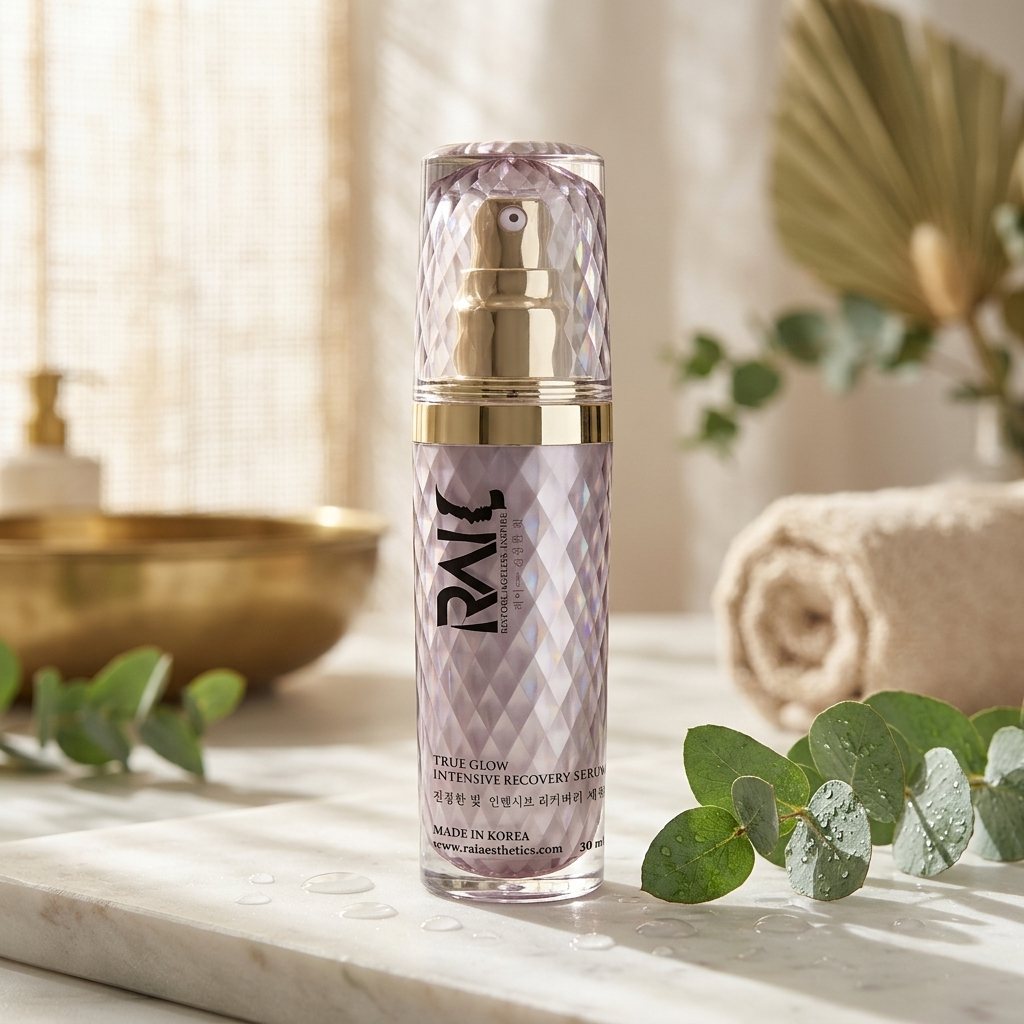
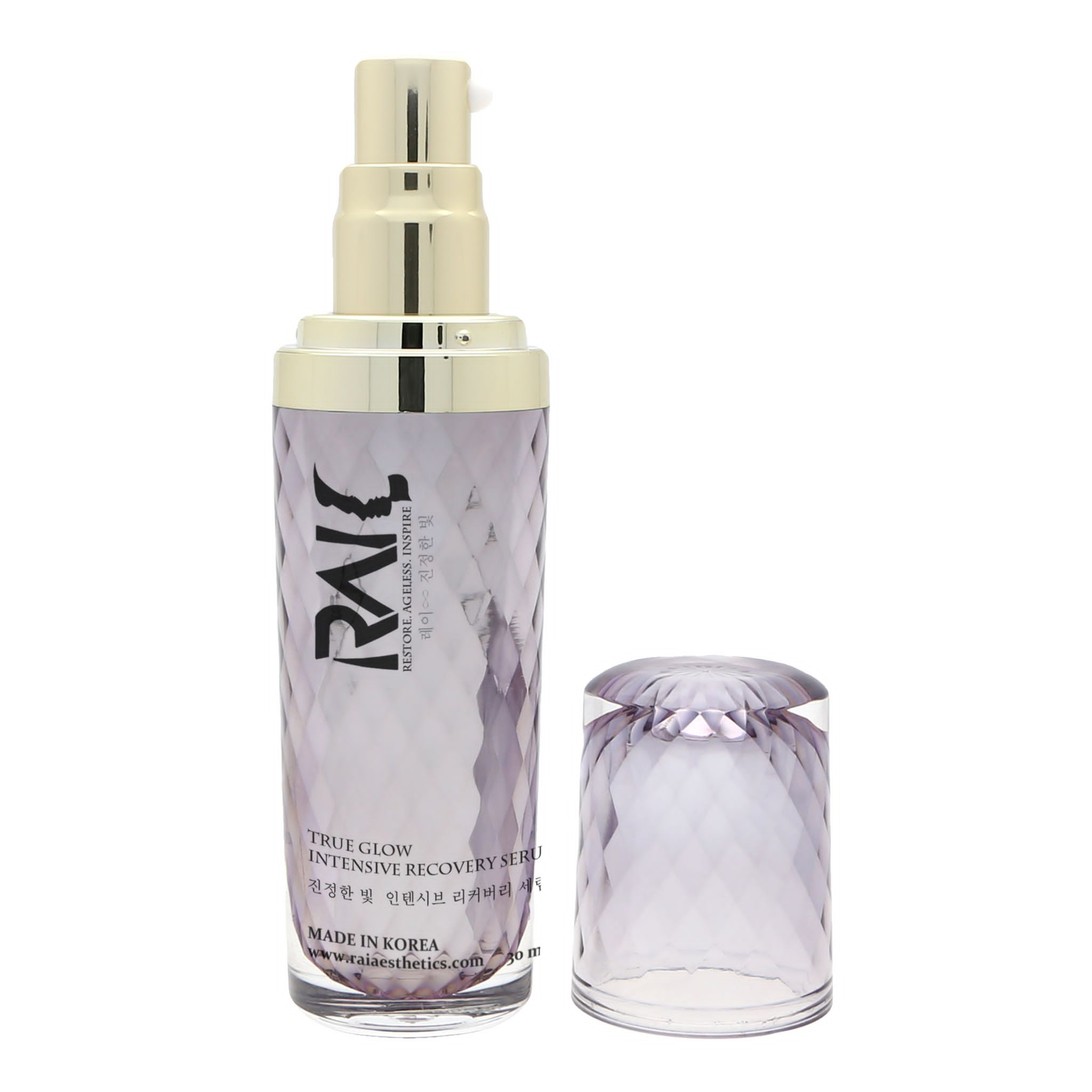
Yes: redness (erythema) is the skin's normal response to laser heat, and it should fade steadily on a timeline set by how deep the treatment went. A non-ablative session may leave a flush for a few hours; ablative resurfacing can leave the skin pink for weeks, and the Mayo Clinic's patient page notes that skin may look inflamed for several months after ablative treatment. The concern is redness that stops improving, worsens, or changes character. This page helps you recognise that; your treating doctor makes the diagnosis. Once your doctor clears you to resume skincare, a fragrance-free, hydrating recovery serum after laser is a common choice for comfort while the colour settles; it is a cosmetic, not a treatment for persistent redness.
How long redness normally lasts, by procedure
The deeper and more ablative the treatment, the longer the pink phase; the table gives the ranges clinics generally quote, with published figures where we have them. Your clinic's aftercare sheet overrides it.
| Procedure | Redness generally expected | Worth a call if |
|---|---|---|
| Pico / Q-switched pigment laser, IPL | Hours to 1–2 days | Still red after a week |
| Non-ablative fractional (1,550 nm type) | About 3–5 days (DermNet) | Still red after 1–2 weeks |
| Microneedling | About 24–48 hours | Still red after a week |
| RF microneedling (Morpheus8 type) | Usually resolves within a week (2026 review) | Still red after 2 weeks |
| Fractional CO2 / fractional erbium | Pink for 2–4 weeks, often longer in deeper treatments | Not fading at all by week 4, or worsening |
| Full-field CO2 resurfacing | Months; a series of 500 patients averaged 4.5 months | Worsening, or new symptoms at any point |
Our guides to recovery after CO2 laser, recovery after Morpheus8 and recovery after fractional laser walk through each timeline day by day, and our redness timeline explainer compares all procedures side by side.
Why redness sometimes will not go away
Redness persists when something keeps the skin inflamed after the laser injury has started to heal; the usual culprits are products, heat, sun, infection and treatment depth. A review of fractional laser complications in Dermatologic Surgery covers the complications of fractional lasers and notes that risk rises with darker skin phototypes, sensitive sites and predisposing medical factors. The common contributors are:
- Irritant or allergic contact dermatitis. Treated skin absorbs more and tolerates less, so a cleanser, sunscreen or home remedy that was fine before can now cause itchy, scaly, persistent redness. In the 500-patient CO2 series, dermatitis, acne flares and milia together affected 10–15% of patients.
- Actives restarted too early. Retinoids, acids, vitamin C and brightening products sting and re-redden skin that has not finished healing.
- Heat and exertion. Hot showers, saunas, steam, hot yoga and hard exercise dilate vessels and extend the flush.
- Sun. Ultraviolet exposure keeps treated skin inflamed and raises the risk of pigment change on top of the redness.
- Infection. Bacterial infection or a cold-sore virus flare turns a fading pink into spreading, painful, hot or weeping redness, usually within the first week.
- Treatment depth and your skin. Deeper or denser passes and a tendency to flush or to rosacea lengthen the normal window.
Only an examination can tell which applies, so if redness has outlasted its window, describe your products and habits honestly to your treating doctor.
Normal redness versus redness that is a problem
Normal post-laser redness is even, flat, improving week on week and comfortable apart from mild warmth or tightness; problem redness is worsening, uneven or spreading, or comes with new symptoms.
- Usually normal: uniform pink or red over the treated area; fading a little each week; a flush that comes up with heat or exercise and settles within an hour; mild tightness or itch that eases with hydration.
- Needs review: redness that is darker today than a week ago; red that has become scaly, bumpy or itchy; redness confined to where one product was applied; patches that are redder than the rest; red that has turned purple or brown at the edges.
- Needs care the same day: spreading redness with heat, swelling or increasing pain after day two; pus or yellow crusts; clusters of blisters; fever.
If unsure, send your clinic a daylight photo and let the doctor decide; that is what the aftercare line is for.
What to stop doing now
Strip the routine back to the minimum and remove every known trigger until your treating doctor has seen the skin. The full list of what not to do after laser explains each reason; for persistent redness the priorities are:
- Stop every active: retinoids, AHAs, BHAs, vitamin C, brightening serums, scrubs, clay masks and alcohol-based toners.
- Stop new or fragranced products, including essential oils and other home remedies, and anything started in the last two weeks.
- Stop heat: hot water on the face, saunas, steam rooms, hot yoga and heavy exercise.
- Stop unprotected sun; use a bland broad-spectrum sunscreen that you have tolerated before, plus a hat.
- Stop picking, scrubbing and rubbing, including rough towel drying and cleansing brushes.
- Stop makeup on the red area if it stings or if the skin is scaly or weeping.
- Do not self-treat with leftover steroid creams, antibiotic ointments or anti-redness products; these can mask or worsen the picture.
Keep to a gentle cleanser, a bland hydrator you know, and sunscreen. Dr Sin Yong recommends a hydrating recovery serum for his own patients from the day the skin has closed; our guide to choosing a post-laser recovery serum explains what a bland formula leaves out.
When to contact your treating doctor
Contact the clinic that treated you if redness has passed the expected window for your procedure, is worsening, or has changed character; a photo and a list of what you have applied will help. The review in Dermatologic Surgery stresses that many fractional laser complications are preventable with awareness, which is why clinics would rather hear from you early. Also get in touch if:
- Redness is accompanied by scaling, itching or small bumps, which can suggest dermatitis or a breakout.
- You have a history of rosacea, eczema or very reactive skin and the flush is not settling.
- Redness is now mixed with brown or grey patches; see our page on dark patches after laser.
- You are anxious about the colour; reassurance from the doctor who knows your settings is part of aftercare.
Seek care urgently if…
Contact your clinic the same day, or go to an emergency department if you cannot reach them, when redness comes with any of the following:
- Redness spreading beyond the treated area, or a hot, swollen, increasingly painful patch, especially after day two.
- Pus, yellow or green discharge, honey-coloured crusts or an unpleasant smell.
- Clusters of small painful blisters or sores, particularly if you have had cold sores before.
- Fever, chills or feeling unwell.
- Blistering, weeping, or skin turning white, grey or leathery, which can indicate a burn.
- Swelling of the lips, eyelids or throat, hives, or difficulty breathing.
Our page on signs of infection after microneedling or laser covers the first three in detail. Treatment is a medical decision; this page ends where your doctor's assessment begins.
Frequently asked questions
How long does redness last after laser treatment?
It depends on depth: hours to a day or two after pigment lasers or IPL, within about a week after radiofrequency microneedling, 2 to 4 weeks after fractional CO2, and months after full-field ablative resurfacing, where one 500-patient series averaged 4.5 months. Your clinic's sheet and your treating doctor's instructions override these ranges.
Why is my face still red weeks after laser?
Deeper or ablative treatments stay pink for weeks normally. Redness that has stopped improving is more often kept going by irritating products, actives restarted too early, heat, sun or, in the first week, infection. Stop everything except a gentle cleanser, bland hydrator and sunscreen, and follow your treating doctor's instructions after they review it.
Is persistent redness after laser permanent?
Prolonged redness is a recognised complication of fractional and ablative lasers and in most reports it eventually fades, although it can take months after deep resurfacing. Persistent redness that does not improve needs assessment, because some causes are treatable and others are better caught early. Follow your treating doctor's instructions on review and follow-up.
What can I put on red skin after laser?
Until you are reviewed, only what the clinic approved: a gentle cleanser, a bland fragrance-free hydrator you have tolerated before, and broad-spectrum sunscreen. Avoid new products, actives, home remedies and leftover prescription creams, which can mask or worsen the picture. Follow your treating doctor's instructions on when to add anything else.
When should I worry about redness after laser?
Worry, and call the clinic the same day, if redness is spreading, hot, swollen or increasingly painful after day two, if there is pus or crusting, blisters, fever, or if the skin turns white, grey or leathery. Redness that has simply outlasted its usual window is less urgent but still deserves a photo and a message to your treating doctor.
References
- Mayo Clinic Staff. Laser resurfacing. Mayo Clinic patient information. Published 26 October 2024. https://www.mayoclinic.org/tests-procedures/laser-resurfacing/about/pac-20385114
- Nanni CA, Alster TS. Complications of carbon dioxide laser resurfacing. An evaluation of 500 patients. Dermatologic Surgery. 1998;24(3):315-320. doi:10.1111/j.1524-4725.1998.tb04161.x. PMID 9537005. https://doi.org/10.1111/j.1524-4725.1998.tb04161.x
- Metelitsa AI, Alster TS. Fractionated laser skin resurfacing treatment complications: a review. Dermatologic Surgery. 2010;36(3):299-306. doi:10.1111/j.1524-4725.2009.01434.x. PMID 20100273. https://doi.org/10.1111/j.1524-4725.2009.01434.x
- Varelas EA, Varelas AN, Kumar AT, Eytan DF. Complications of radiofrequency microneedling: a comprehensive review. BMC Plastic and Reconstructive Surgery. 2026;2:21. doi:10.1186/s44452-026-00031-x. https://doi.org/10.1186/s44452-026-00031-x