New brown or grey-brown patches appearing one to four weeks after a laser session are most often post-inflammatory hyperpigmentation (PIH): extra melanin made in response to the treatment's inflammation. It is common in Asian and darker skin, usually fades, and is not an emergency, but your treating doctor should see it. This page helps you recognise it, lists what to stop doing, and flags the signs that need urgent care.
What dark patches after laser usually are
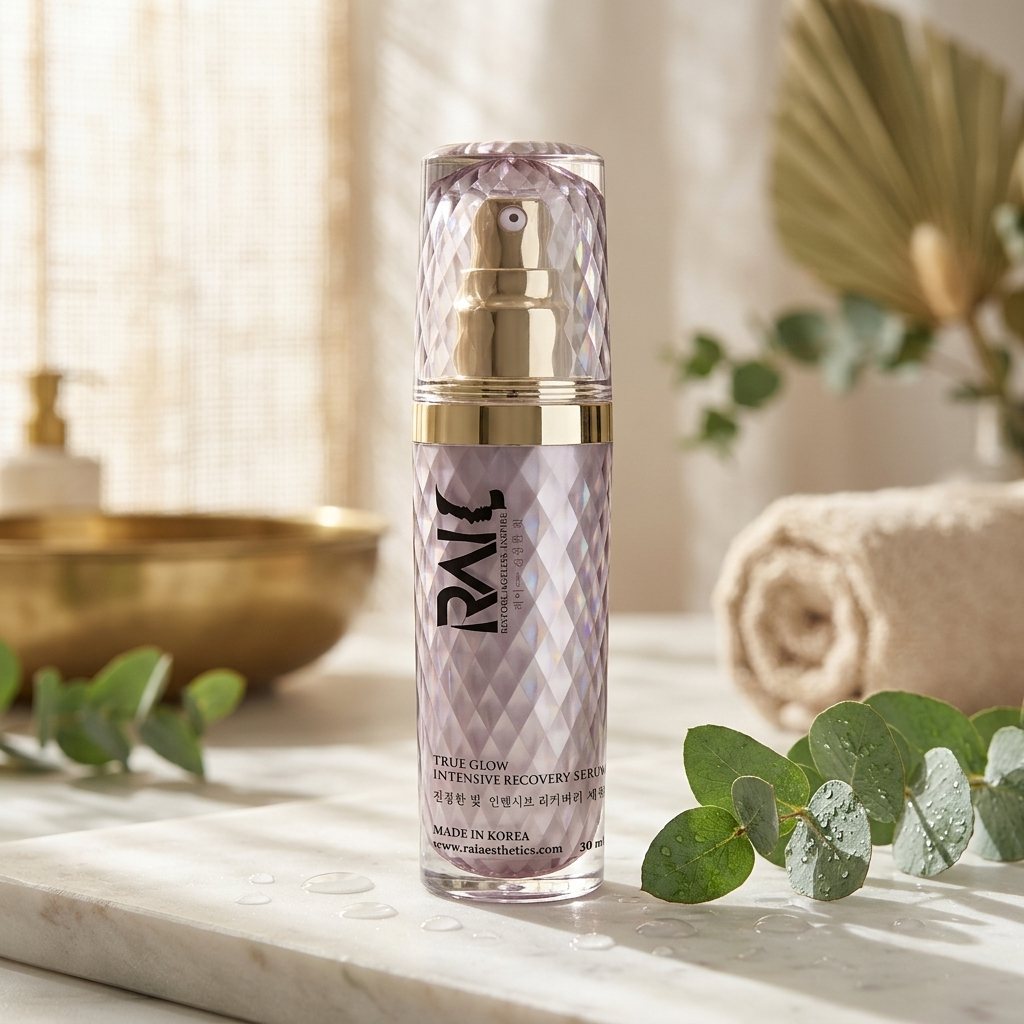
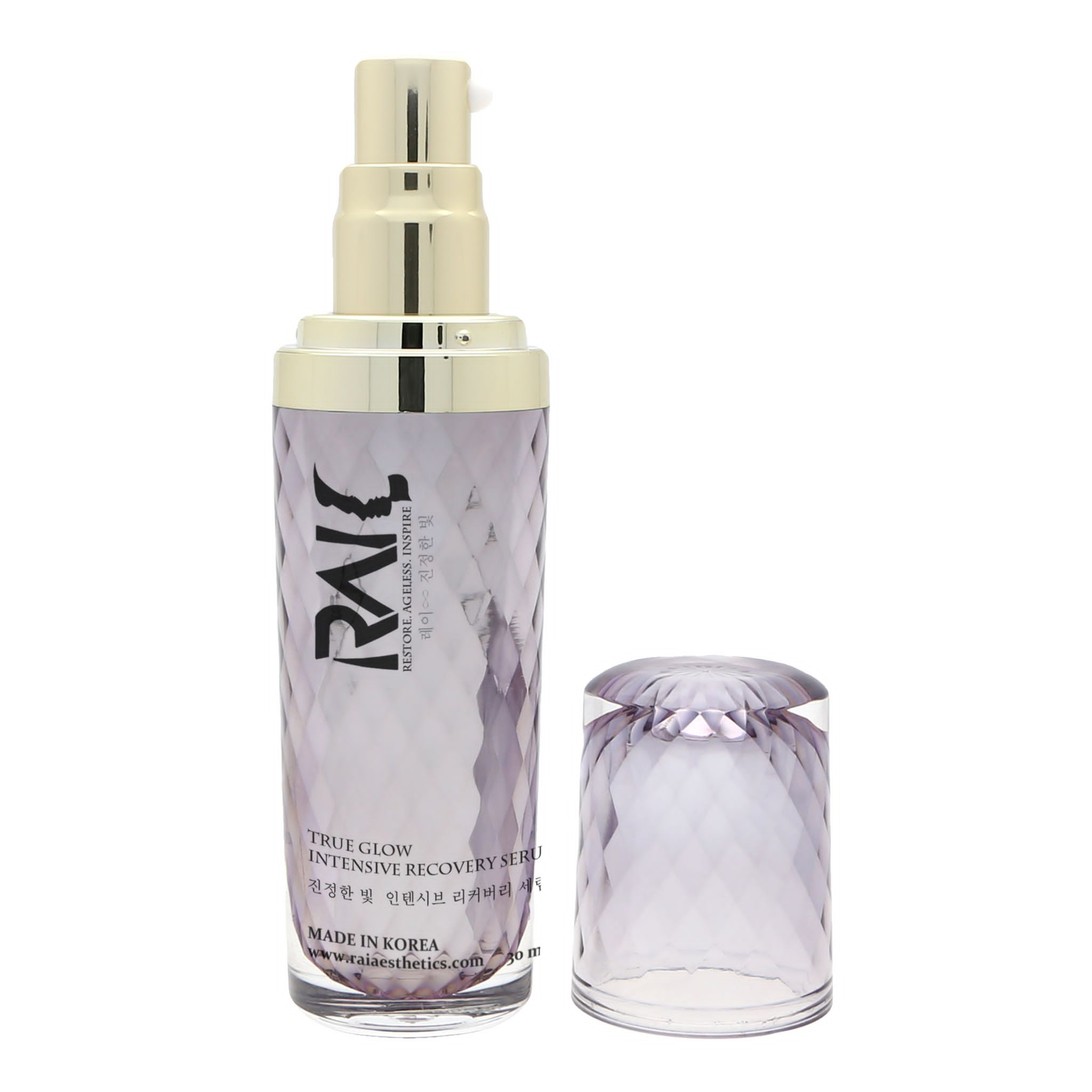
Dark patches that appear in the treated area a week or more after a laser session are usually post-inflammatory hyperpigmentation, not a burn and not a failed treatment. PIH is a temporary overproduction of melanin triggered by inflammation; lasers, intense pulsed light and peels can all set it off; DermNet notes that such physical treatments may aggravate PIH by injuring the epidermis, and the Hong Kong studies below measured it directly. It appears more often and lasts longer in darker skin types, which includes much of Singapore's Fitzpatrick III to V population. This page is about recognition; the decisions belong to your treating doctor. Once your doctor clears you to resume skincare, a fragrance-free, hydrating post-laser recovery serum is a common choice for comfort while the skin settles; it is a cosmetic and does not act on pigment. For the condition in general, see our explainer on post-inflammatory hyperpigmentation.
Normal pigment shedding or PIH? How to tell the difference
Normal darkening after a pigment laser sits exactly on the spots that were treated, arrives within hours, and flakes off within about a week; PIH arrives later, spreads beyond the original spots into a diffuse patch, and does not flake.
| Feature | Expected pigment shedding | Possible PIH |
|---|---|---|
| When it appears | Immediately or within 24 hours | Usually 1–4 weeks after treatment |
| Where | Only on the treated spots, often with a crisp edge | Diffuse patches, often where the skin was reddest, or in the whole treated zone |
| Texture | Dry, slightly raised, flakes like coffee grounds | Flat and smooth, same texture as surrounding skin |
| Course | Lifts off by itself in about 5–10 days | Stays, or darkens with sun exposure |
Pico and Q-switched lasers and IPL deliberately darken the pigment they target before it sheds; our Pico laser recovery guide and IPL photofacial recovery guide show what that normal phase looks like. If a patch does not fit the middle column, send your clinic a daylight photo and let the doctor decide.
Why PIH happens after laser, and why Asian skin is more prone
PIH happens because inflammation stimulates melanocytes to make more melanin, and skin that already makes more responds more strongly. A review in the Journal of Clinical and Aesthetic Dermatology describes PIH as a common sequel of inflammation that affects darker-skinned patients with greater frequency and severity; when the base of the epidermis is disrupted, pigment can drop into the dermis, where it looks grey-brown and takes far longer to clear.
Settings and heat management also matter. A Hong Kong study of 37 Chinese patients treated with a non-ablative fractional laser found a trend towards more PIH at higher treatment density, and localised PIH around the mouth only in patients who did not receive air cooling. A separate study of nine Chinese patients after a single fractional CO2 session recorded PIH in just over half at one month, falling to one patient in nine at six months. The practical lesson is that PIH after laser is common in our region, usually temporary, and influenced by what the skin is exposed to afterwards. If patches have appeared, tell your treating doctor; they may adjust settings for future sessions.
How long dark patches after laser take to fade
Epidermal PIH typically lightens over weeks to months with strict sun protection; dermal pigment takes much longer. The fall from five of nine patients to one of nine over six months in the fractional CO2 study above shows the usual direction of travel, but your own timeline depends on skin type, treatment depth and sun exposure. DermNet notes that PIH darkens with ultraviolet light, which is why an improving patch can set back after a weekend outdoors. Photograph the area in the same light every two weeks, and let your treating doctor judge whether progress is normal and whether any pigment treatment is appropriate; this page does not make that call.
What to stop doing now
The most useful things you can do are to remove the triggers that keep inflammation going and to stop ultraviolet light reaching the patch. Until your treating doctor has reviewed the area:
- Stop unprotected sun exposure. Broad-spectrum sunscreen every morning, reapplied outdoors, plus a hat and shade.
- Stop exfoliating. Scrubs, acids, retinoids and brightening actives restarted on your own can inflame the skin and deepen the patch. Do not start a brightening product to self-treat; irritation from lightening agents can itself worsen PIH, as the review above cautions.
- Stop picking or rubbing flakes or crusts, and avoid hot towels on the area.
- Stop heat for now: saunas, steam, hot yoga and hot showers on the face keep the skin flushed.
- Stop fragranced or alcohol-based products; go back to a bland cleanser, hydration and sunscreen only.
- Do not book another laser, IPL or peel on the area until the doctor who treated you has seen it.
Dr Sin Yong recommends a hydrating recovery serum for his own patients from the day the skin has closed. Our guide to choosing a post-laser recovery serum explains what a bland formula should and should not contain.
When to contact your treating doctor
Contact the clinic that treated you, with daylight photos, as soon as you notice a new patch. The review in the Journal of Clinical and Aesthetic Dermatology advises that management should start early and begins with settling the original inflammation, which is why a quick message beats waiting for the next appointment. Also contact them if:
- A patch is darkening or spreading over two to three weeks.
- The colour is grey rather than brown, suggesting deeper pigment.
- The patch is itchy, scaly or raised, which points to something other than PIH.
- You cannot tell whether it is PIH, a bruise, a lingering crust or lighter (hypopigmented) skin.
- You have melasma, since flares are managed differently; see our melasma explainer.
Seek care urgently if…
PIH itself is not an emergency, but some things it can be mistaken for are. Contact your clinic the same day, or an emergency department if you cannot reach them, if the darkened area comes with:
- Blistering, weeping, or skin that looks white, grey, waxy or leathery, which can indicate a burn.
- Redness spreading outwards from the treated area, increasing pain, heat or swelling after day two, or yellow or green discharge.
- Fever, chills or feeling unwell.
- Clusters of small painful blisters or sores, especially with a history of cold sores.
- Swelling of the lips, eyelids or face, hives, or any difficulty breathing.
If any of these apply, the colour is the least important part of the picture; our page on signs of infection after microneedling or laser covers what to look for.
Preventing PIH before your next session
Prevention is a conversation with your doctor before the next treatment, plus disciplined sun habits before and after. Tell the doctor about any PIH you have had, including from acne or insect bites. Ask whether skin cooling, lower density or a different device suits your skin type, since the Hong Kong data point to density and cooling as modifiable factors. Avoid tanning before treatment, protect the skin strictly afterwards, and restart exfoliants and brightening actives only when your doctor says so; our guide to restarting retinol and other actives gives the usual sequence. If your doctor prescribes a preventive pigment regimen, use it exactly as directed.
Frequently asked questions
Is it normal to get dark spots after laser treatment?
Some darkening is expected: pigment lasers and IPL deliberately darken the spots they target, which then flake off within about a week. New, flat, diffuse brown or grey-brown patches appearing one to four weeks later are more likely post-inflammatory hyperpigmentation. Photograph them and follow your treating doctor's instructions on review.
How long does hyperpigmentation after laser take to go away?
Epidermal PIH usually lightens over weeks to months with strict sun protection; one small study of nine Chinese patients after fractional CO2 laser saw PIH fall from five patients at one month to one at six months. Deeper, grey-toned pigment takes longer. Your treating doctor's assessment of your own timeline comes first.
Why did my skin get darker after laser if I have Asian skin?
Skin that makes more melanin responds to inflammation by making even more, so Fitzpatrick III to V skin develops PIH more often and more intensely than lighter skin. Treatment density, heat and sun exposure afterwards all add to the risk. Discuss settings and skin cooling with your treating doctor before any further sessions.
Can I use a brightening serum on dark patches after laser?
Not without asking. Starting exfoliating or brightening actives on freshly treated skin can irritate it and deepen the patch, and prescription lighteners need a doctor's supervision. Until you are reviewed, keep to sunscreen, a bland cleanser and a hydrating recovery serum once cleared, and follow your treating doctor's instructions on anything else.
When should I see a doctor about dark patches after laser?
Message your treating clinic with daylight photos as soon as you notice a new patch, because early review gives the most options. Seek care the same day if the area is blistered, weeping, spreading, painful, discharging, or you have a fever, since those point to a burn or infection rather than PIH. Follow your treating doctor's instructions.
References
- Davis EC, Callender VD. Postinflammatory hyperpigmentation: a review of the epidemiology, clinical features, and treatment options in skin of color. Journal of Clinical and Aesthetic Dermatology. 2010;3(7):20-31. PMID 20725554; PMCID PMC2921758. https://pmc.ncbi.nlm.nih.gov/articles/PMC2921758/
- Chan HH, Manstein D, Yu CS, Shek S, Kono T, Wei WI. The prevalence and risk factors of post-inflammatory hyperpigmentation after fractional resurfacing in Asians. Lasers in Surgery and Medicine. 2007;39(5):381-385. doi:10.1002/lsm.20512. PMID 17518354. https://doi.org/10.1002/lsm.20512
- Chan NP, Ho SG, Yeung CK, Shek SY, Chan HH. Fractional ablative carbon dioxide laser resurfacing for skin rejuvenation and acne scars in Asians. Lasers in Surgery and Medicine. 2010;42(9):775-783. doi:10.1002/lsm.20974. PMID 20976801. https://doi.org/10.1002/lsm.20974
- Ngan V, Oakley A. Postinflammatory hyperpigmentation. DermNet (dermnetnz.org). 2005, updated 2015; page last modified 2024. https://dermnetnz.org/topics/postinflammatory-hyperpigmentation