The skin barrier is the stratum corneum, the outermost layer of the epidermis, and most aesthetic procedures disturb it on purpose. This explainer covers what the barrier is made of, how lasers, peels, microneedling and energy devices each affect it, how it rebuilds over days to weeks, and why hydration and sun protection matter during that window. Your treating doctor's instructions always come first.
What the skin barrier actually is
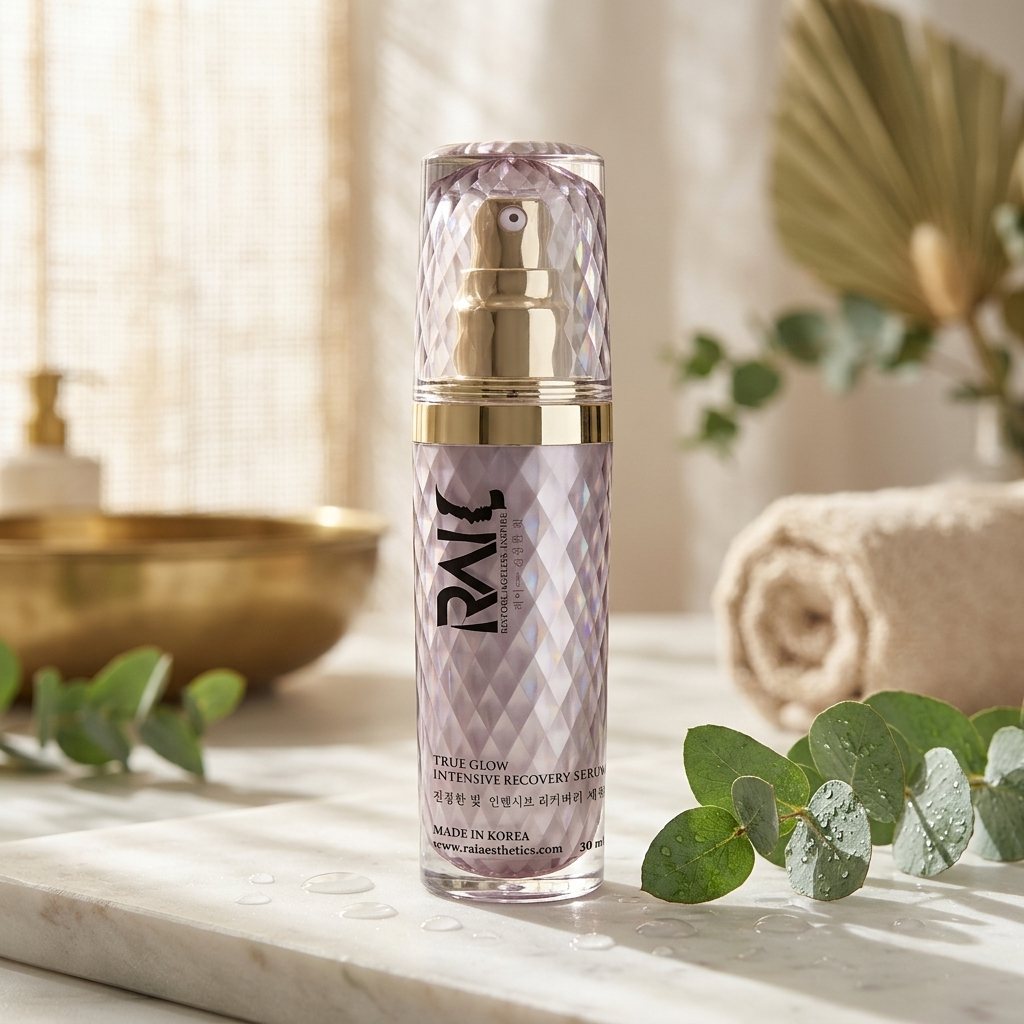
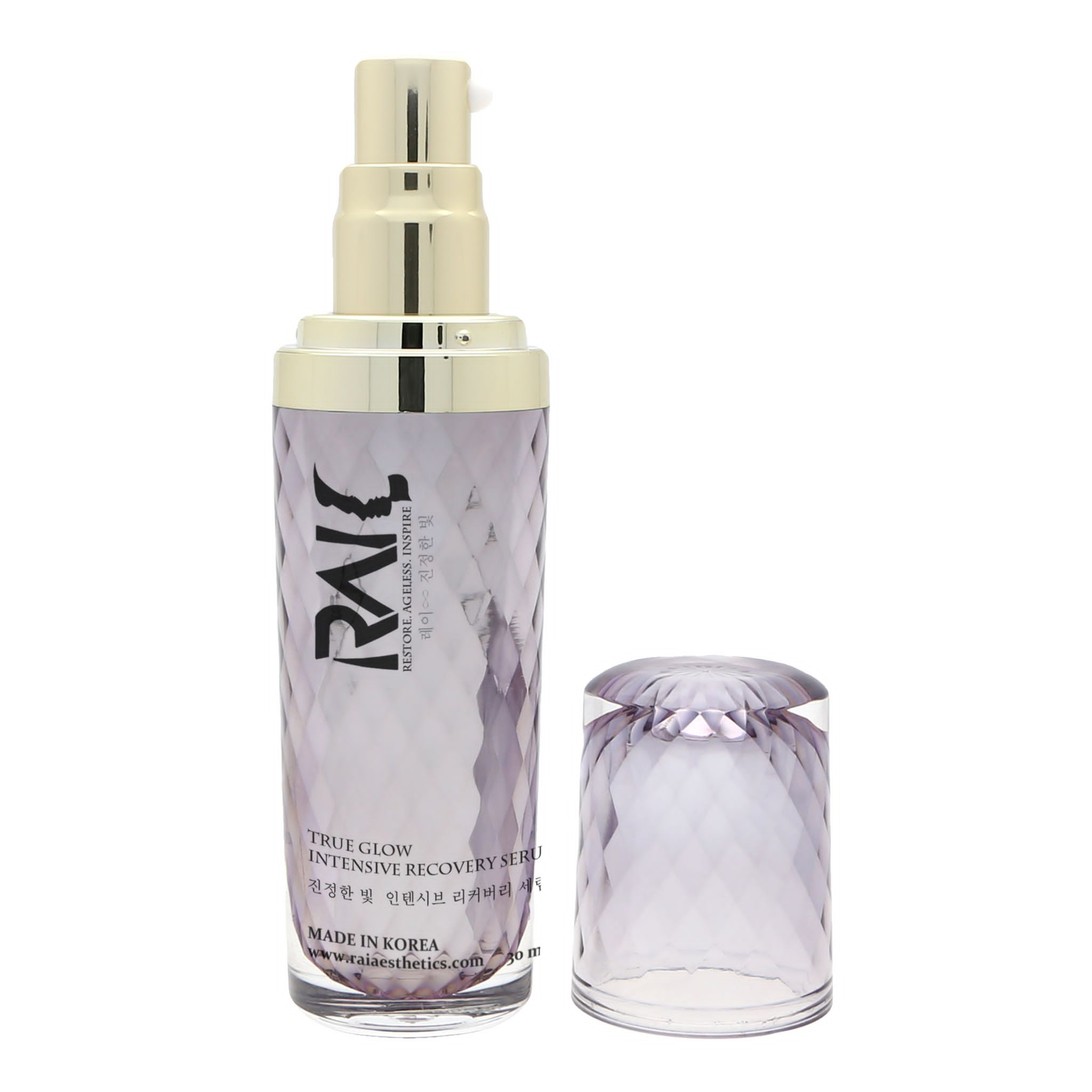
The skin barrier is the stratum corneum: the outermost layer of the epidermis, made of flattened dead cells packed in a lipid-rich mortar. A review in Experimental Dermatology describes it as corneocytes rich in protein set in layers of lipid, with ceramides, free fatty acids and cholesterol filling the gaps, and its job is to stop unregulated loss of water and solutes while keeping irritants and microbes out. DermNet uses the same picture: a bricks-and-mortar arrangement in which the lipid layers decide how fast anything, including water, moves across the skin. Almost every aesthetic procedure works by disturbing this layer on purpose, which is why aftercare is mostly about protecting it while it rebuilds. Once your doctor clears you to resume skincare, a hydrating post-laser recovery serum or a plain fragrance-free moisturiser is a common choice for that window; it is a cosmetic designed to support the skin while it recovers, not a treatment for anything.
Why water loss is the number clinics watch
Transepidermal water loss, or TEWL, is the rate at which water escapes through the epidermis, and it rises whenever the barrier is breached. A study in Annals of Dermatology followed 24 patients with Fitzpatrick skin types IV and V after a single fractional CO2 laser session: TEWL rose sharply on day one and then fell steadily, returning to pre-treatment levels about one week after treatment, which the authors read as the barrier remaining open until then. That is a useful mental model. The skin can look dry and tight long after it has stopped weeping, because the surface closes before its water-holding function fully returns, and anything applied in that week reaches deeper and stings more than it would on intact skin.
How each procedure disrupts the barrier
Procedures differ less in whether they disturb the barrier than in how deep they go and how long the surface stays open. Ablative lasers remove it; fractional and needling devices puncture it in columns; peels loosen it chemically; energy-only devices such as HIFU mostly leave it intact.
| Procedure | What happens to the barrier | How long the surface is usually open |
|---|---|---|
| Ablative CO2 or erbium resurfacing | Stratum corneum and part of the epidermis are removed across the whole treated area; the skin weeps and crusts. | DermNet puts complete healing at about two weeks, with a range of one to four. Our CO2 recovery guide has the day-by-day view. |
| Fractional (ablative or non-ablative) laser | Microscopic columns of injury with intact skin between them; water loss spikes even when the surface looks closed. | Days; the Annals of Dermatology study measured TEWL back to baseline at about a week after fractional CO2. |
| Pico, Q-switched and IPL | Energy is absorbed by pigment, so the barrier is largely spared unless the skin frosts or crusts over pigment spots. | Hours to a few days if there is crusting; otherwise minimal. |
| Chemical peel | Acid loosens the bonds between corneocytes; superficial peels affect the stratum corneum only, medium peels reach the living epidermis. | Several days of flaking for superficial peels; about a week or more for medium. See our chemical peel recovery guide. |
| Microneedling and Morpheus8 | Thousands of micro-channels through the stratum corneum; Morpheus8 adds radiofrequency heat beneath them. | Channels close within hours; redness and dryness last one to several days, longer with heat. |
| HIFU and RF tightening (no needles) | Energy is delivered below the surface; the stratum corneum stays intact. | Usually not open at all; the aftercare is about swelling and tenderness, not the barrier. |
Depth settings, passes and your own skin change every one of these figures, so treat the table as a map rather than a timetable and ask your doctor where your treatment sits on it.
How the barrier rebuilds
The barrier rebuilds from the bottom up: new cells migrate in from the wound edges and from hair follicles, re-form a surface, then take days more to produce the lipid mortar that controls water loss. That is why the pink, shiny skin that appears after a scab lifts still feels tight and reacts to products, and why clinics describe recovery in two phases: the surface closing, then the surface behaving normally. In Fitzpatrick types III to V the pigment cells are easily provoked during this rebuilding window, which is the mechanism behind post-inflammatory hyperpigmentation; our guide to dark patches after laser explains how to tell it from normal pigment shedding.
Why hydration matters while it rebuilds
Hydration matters because a barrier that is losing water cannot do its other jobs well, and because dry, cracked new skin is more likely to be picked, to sting and to pigment. A review in the Journal of Clinical and Aesthetic Dermatology lists regulating water content and limiting water loss as the first functions of the stratum corneum, alongside defending against oxidants, resisting infection and protecting deeper structures from ultraviolet light. In practice clinics layer the approach: an occlusive ointment while the skin is open and weeping, then a lighter hydrating serum or moisturiser once the surface has closed, with sunscreen from the day the doctor allows it. Dr Sin Yong recommends a hydrating recovery serum for his own patients from the day the skin has closed. Our guide to choosing a post-laser recovery serum covers what to look for and what to leave out.
What sets a rebuilding barrier back
Anything that dissolves lipids, raises skin temperature or adds friction slows the rebuild. The usual culprits are hot water, scrubs and cleansing brushes, fragranced or alcohol-based products, exfoliating acids and retinoids, sun exposure and picking. None of these is dangerous on normal skin; on a barrier that is still laying down lipids they prolong redness and tightness and raise the risk of pigment change. Our checklist of what not to do after laser gives the why for each, and when to restart retinol and other actives covers the timing of bringing them back.
Signs the barrier is not recovering
A barrier that is recovering feels a little better each day; one that is not stings on plain water, stays tight and shiny, or becomes redder rather than paler. Contact your treating doctor, ideally with a photo, if you notice stinging on water or bland moisturiser beyond the first week, redness or swelling that increases after day two, weeping or crusting that returns after it had settled, small blisters, or new dark patches. These are not things to manage with more products at home. Follow your treating doctor's instructions; this explainer describes the usual pattern, and your protocol overrides it.
Frequently asked questions
What is the skin barrier and why does it matter after a procedure?
The skin barrier is the stratum corneum, the outermost layer of the epidermis, which holds water in and keeps irritants and microbes out. Most aesthetic procedures disturb it on purpose, so aftercare is largely about protecting it while it rebuilds. Follow your treating doctor's instructions on what to apply and when.
How long does the skin barrier take to recover after laser?
It depends on depth. A study of 24 patients with darker skin types measured water loss returning to normal about one week after fractional CO2 laser, while DermNet puts complete healing after fully ablative resurfacing at about two weeks. Your own timeline may differ, so follow your treating doctor's instructions.
Does the skin barrier recover after a chemical peel or microneedling?
Yes. Superficial peels loosen only the stratum corneum and the surface settles over several days of flaking; microneedling channels close within hours, with dryness lasting a few days. Deeper peels and Morpheus8 take longer. Keep the skin hydrated and protected, and follow your treating doctor's instructions on restarting products.
What should I put on my skin while the barrier is recovering?
Clinics typically use an occlusive ointment while the skin is open, then a bland, fragrance-free hydrating serum or moisturiser once the surface has closed, plus sunscreen when allowed. Avoid exfoliants, retinoids and fragranced products until cleared. Follow your treating doctor's instructions, which override any general guide.
How do I know if my skin barrier is damaged after a treatment?
Stinging on plain water or bland moisturiser, persistent tightness or shine, redness that increases rather than fades, and weeping that returns after settling all suggest the barrier is not recovering normally. Photograph the area and contact your treating doctor rather than adding products, and follow your treating doctor's instructions.
References
- Proksch E, Brandner JM, Jensen JM. The skin: an indispensable barrier. Experimental Dermatology. 2008;17(12):1063-1072. doi:10.1111/j.1600-0625.2008.00786.x. PMID 19043850. https://doi.org/10.1111/j.1600-0625.2008.00786.x
- Hwang YJ, Lee YN, Lee YW, Choe YB, Ahn KJ. Treatment of acne scars and wrinkles in Asian patients using carbon-dioxide fractional laser resurfacing: its effects on skin biophysical profiles. Annals of Dermatology. 2013;25(4):445-453. doi:10.5021/ad.2013.25.4.445. PMID 24371392. https://doi.org/10.5021/ad.2013.25.4.445
- Del Rosso JQ, Levin J. The clinical relevance of maintaining the functional integrity of the stratum corneum in both healthy and disease-affected skin. Journal of Clinical and Aesthetic Dermatology. 2011;4(9):22-42. PMID 21938268; PMCID PMC3175800. https://europepmc.org/article/MED/21938268
- Yun JSW, Nixon R. Skin barrier function. DermNet (New Zealand). 2021; updated 2025. https://dermnetnz.org/topics/skin-barrier-function
- DermNet NZ. Laser resurfacing. Patient information page (healing times, aftercare). https://dermnetnz.org/topics/laser-resurfacing