Small pimples, whiteheads or pearly bumps a few days after laser, HIFU or Morpheus8 are common and usually one of three things: an acne-type flare, milia, or folliculitis. They are most often set off by occlusive ointments, heat and sweat, or actives restarted too early. This page helps you recognise them, lists what to stop, and shows how to tell a breakout from an infection that needs same-day care.
Why you can break out after laser, HIFU or Morpheus8
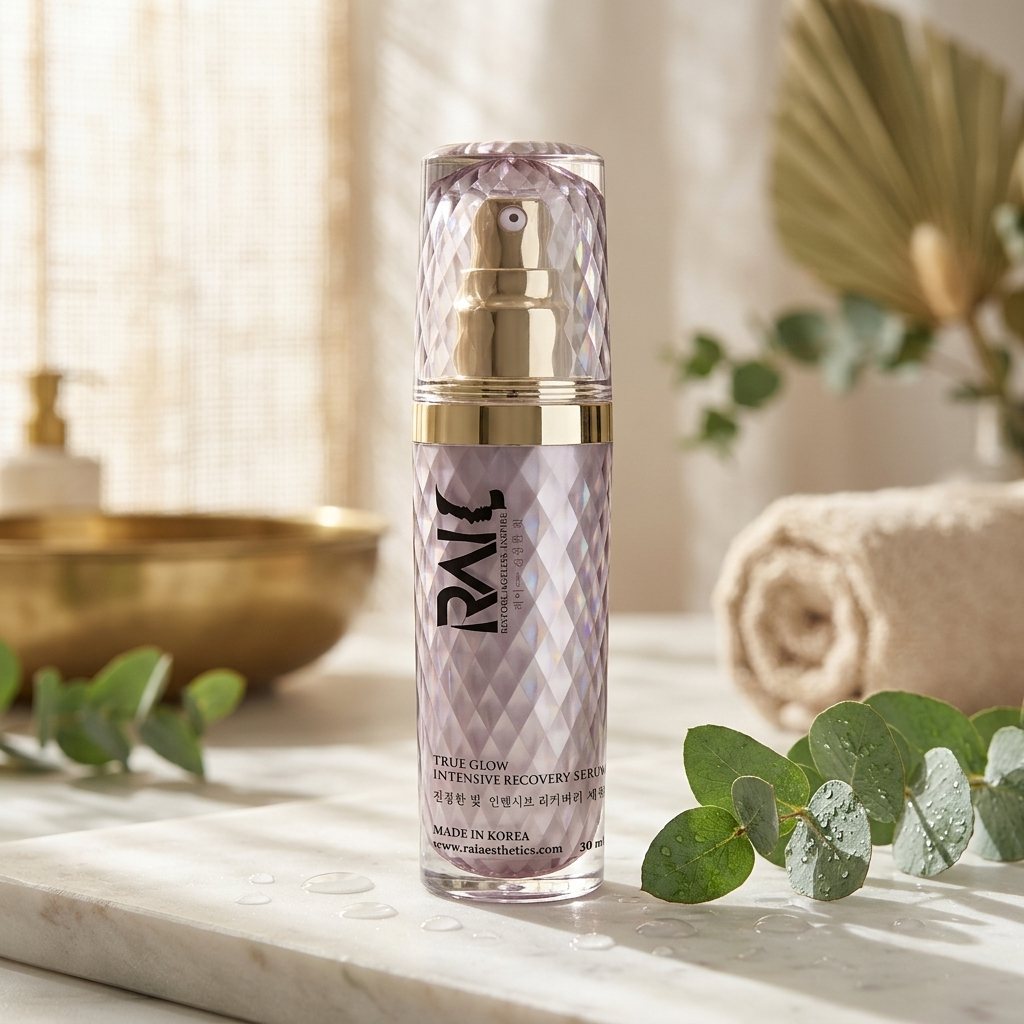
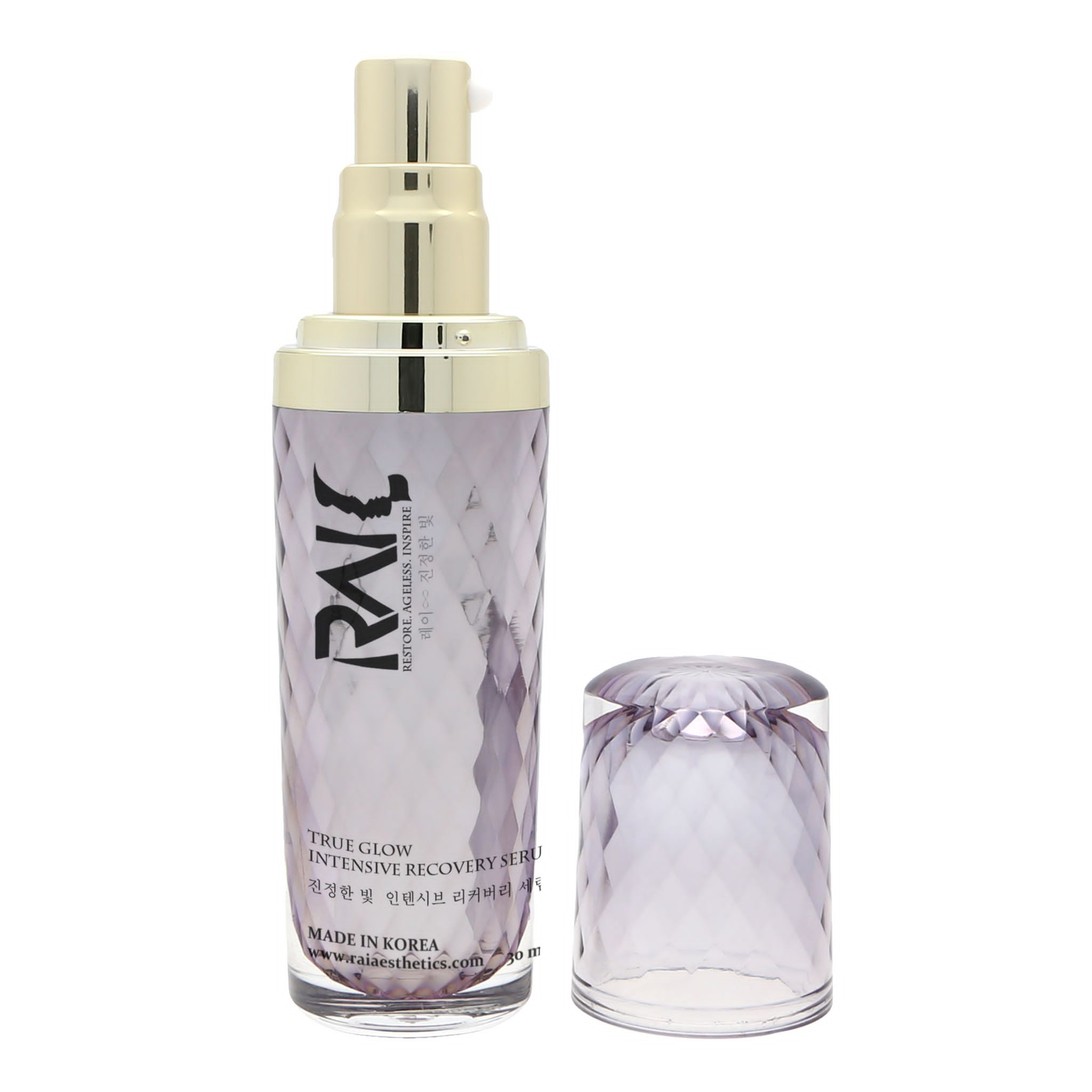
Breakouts after an energy-based treatment are usually a reaction to the recovery period rather than to the device: thick ointments trap oil and sweat in inflamed pores, heat brings blood and sebum to the surface, and new products land on skin that cannot yet tolerate them. The Mayo Clinic's patient page on laser resurfacing notes that thick creams and bandages on the face can worsen acne or cause temporary tiny white bumps called milia. In a series of 500 patients after full-face CO2 resurfacing, acne flares, milia and dermatitis together affected 10–15%. This page is about recognition, not treatment; that belongs to your treating doctor. Once your doctor clears you to resume skincare, a light, fragrance-free post-procedure recovery serum is a common choice in place of heavy balms; it is a cosmetic and does not act on breakouts.
What the bumps usually are
Most post-procedure bumps are acne-type papules and whiteheads, pearly milia, or tender follicle-centred spots (folliculitis), and the pattern, timing and feel tell them apart. Infection looks different; the table ends with it for comparison.
| What you see | Typical timing | Most likely | What to do |
|---|---|---|---|
| Scattered red papules and whiteheads, oily feel, in your usual breakout zones | Days 2–7 | Acne-type flare | Stop occlusives and heat; message the clinic |
| Tiny firm pearly-white bumps, not red, not tender | 1–4 weeks, sometimes later | Milia | Do not squeeze; show the clinic at review |
| Small red or pus-tipped spots each centred on a hair, often itchy, on jaw, neck or hairline | Days 2–10 | Folliculitis | Stop shaving and heavy creams there; message the clinic |
| Spreading hot redness, swelling, increasing pain, yellow crusts, or clusters of blisters | Usually days 2–7 | Possible infection or cold-sore flare | Contact the clinic the same day |
A review of 961 non-ablative fractional laser treatments found acneiform eruptions the most frequent complication, in 1.87% of treatments, followed by cold-sore virus flares at 1.77%, all temporary. Only an examination can confirm which row you are in, so send daylight photos to the clinic that treated you.
What sets breakouts off, procedure by procedure
The triggers are the same across procedures; what changes is how open the skin is and how heavy the aftercare tends to be.
- Ablative and fractional lasers. Open skin is dressed with petrolatum-type ointment for several days, which is exactly when acne flares and milia tend to appear. Do not stop the ointment on your own, but tell the doctor if bumps appear. Our CO2 laser recovery guide shows the normal course.
- Morpheus8 and other RF microneedling. The channels close within hours but the skin stays warm and swollen for days. A 2026 review of RF microneedling complications lists non-approved topical products among the risk factors for complications, and active infection or inflammatory skin conditions in the area as reasons to postpone. Breakouts after Morpheus8 are commonly traced to products applied too soon; see our Morpheus8 recovery guide.
- HIFU. The surface is not broken, so bumps after HIFU are usually attributed to the ultrasound gel, heat and swelling, or richer creams started afterwards, rather than the energy itself. Our HIFU recovery guide covers the timeline.
- Common to all: saunas, hot showers and sweaty exercise in the first days; makeup and brushes before the skin has closed; touching the face; an unchanged pillowcase; and retinoids, acids or vitamin C restarted before the doctor said so.
If your skin is oily or acne-prone, mention it before your next session; our guides on managing oily skin and understanding acne explain why those pores react first. Tell your treating doctor which of these applies before changing anything.
What to stop doing now
Remove the trigger, keep the skin clean and cool, and leave the bumps alone until your treating doctor has seen them:
- Stop squeezing, picking or extracting anything, including milia; on recovering skin this risks scarring and dark marks.
- Stop heavy balms and ointments you added yourself. If the clinic prescribed an occlusive dressing, ask before changing it.
- Stop every active: retinoids, AHAs, BHAs, vitamin C, brightening serums, clay masks and scrubs, even those you normally use for breakouts.
- Stop heat and sweat: saunas, steam, hot yoga, hot showers on the face and heavy exercise.
- Stop makeup on the affected area, and wash brushes and sponges before using them again.
- Stop new products, including spot treatments and acne patches; recovering skin reacts to things it normally tolerates.
- Do not use leftover antibiotics, steroid creams or acne prescriptions on your own; they can mask an infection or inflame the skin further.
Cleanse gently with lukewarm water, change your pillowcase, and keep hydration light. Dr Sin Yong recommends a hydrating recovery serum for his own patients from the day the skin has closed. The full what-not-to-do list covers the reasons behind each rule.
Breakout or infection? When to contact your treating doctor
A breakout is scattered, confined to pores, and stays stable or slowly improves once triggers are removed; an infection spreads, hurts more each day, and often brings heat, swelling or discharge. Contact the clinic that treated you, with daylight photos, if:
- New bumps keep appearing after you have removed the triggers above for three or four days.
- Spots are tender, pus-tipped and clustered around hairs, which suggests folliculitis rather than ordinary acne.
- Milia are numerous or bothering you; they can be removed in clinic once the skin has healed.
- Bumps are leaving brown marks behind, especially in Asian or darker skin; see our page on dark patches after laser.
- You are not sure which row of the table you are in.
Seek care urgently if…
Contact your clinic the same day, or go to an emergency department if you cannot reach them, if the bumps come with any of the following:
- Redness spreading from the spots or treated area, or skin that is hot, swollen and increasingly painful after day two.
- Yellow or green discharge, honey-coloured crusts, or an unpleasant smell.
- Clusters of small painful blisters or sores, especially if you have had cold sores before.
- Fever, chills, swollen glands or feeling unwell.
- Swelling of the lips, eyelids or throat, hives, or difficulty breathing.
Our page on signs of infection after microneedling or laser goes through these in detail. Whether it is a breakout or an infection, and what to do, is your doctor's decision.
Preventing breakouts before your next session
Tell your doctor about any breakout you had this time and your usual acne pattern; they may adjust the aftercare, the dressing or the timing of your next treatment, and active acne in the area is a reason to postpone RF microneedling. Ask exactly which products you may use in the first week and how long to keep any ointment on, then use nothing else. Keep hands, phones, pillowcases and makeup tools clean, stay cool for the first days, and restart acne actives only on the schedule your doctor gives you; our guide to restarting retinol and other actives shows the usual order. If you are prone to cold sores, say so before any laser or needling treatment so prevention can be planned.
Frequently asked questions
Is it normal to break out after laser treatment?
Yes, small acne-type flares, whiteheads or milia are common in the first one to two weeks, usually from occlusive ointments, heat and sweat or products restarted too early. In one 500-patient CO2 series, acne flares, milia and dermatitis together affected 10 to 15%. They are normally temporary; photograph them and follow your treating doctor's instructions.
Why do I have pimples after Morpheus8?
The skin stays warm and swollen for days after RF microneedling, and products applied too soon, heavy creams, sweat and resumed actives can all clog inflamed pores. A 2026 review lists unapproved topical products among the avoidable risk factors. Stop extras, keep the skin cool and clean, and follow your treating doctor's instructions.
Can HIFU cause acne?
HIFU does not break the skin surface, so breakouts after it are usually attributed to the ultrasound gel, heat and swelling in the tissue, or richer creams started afterwards rather than the energy itself. They are generally short-lived. If new spots keep appearing or hurt, send photos to your clinic and follow your treating doctor's instructions.
What are the little white bumps after laser?
Tiny firm pearly bumps that are not red or tender are usually milia, small keratin cysts that form while the skin recovers, often under occlusive ointments. Do not squeeze them on recovering skin; many clear on their own, and persistent ones can be removed in clinic. Follow your treating doctor's instructions on when to review them.
How do I know if it is a breakout or an infection after laser?
A breakout is scattered spots confined to pores that stay stable or slowly improve once triggers are removed. An infection spreads, hurts more each day, and brings heat, swelling, yellow crusts or discharge; clusters of painful blisters suggest a cold-sore flare. Any of those means contacting your treating doctor the same day.
References
- Mayo Clinic Staff. Laser resurfacing. Mayo Clinic patient information. Published 26 October 2024. https://www.mayoclinic.org/tests-procedures/laser-resurfacing/about/pac-20385114
- Nanni CA, Alster TS. Complications of carbon dioxide laser resurfacing. An evaluation of 500 patients. Dermatologic Surgery. 1998;24(3):315-320. doi:10.1111/j.1524-4725.1998.tb04161.x. PMID 9537005. https://doi.org/10.1111/j.1524-4725.1998.tb04161.x
- Graber EM, Tanzi EL, Alster TS. Side effects and complications of fractional laser photothermolysis: experience with 961 treatments. Dermatologic Surgery. 2008;34(3):301-307. doi:10.1111/j.1524-4725.2007.34062.x. PMID 18190541. https://doi.org/10.1111/j.1524-4725.2007.34062.x
- Varelas EA, Varelas AN, Kumar AT, Eytan DF. Complications of radiofrequency microneedling: a comprehensive review. BMC Plastic and Reconstructive Surgery. 2026;2:21. doi:10.1186/s44452-026-00031-x. https://doi.org/10.1186/s44452-026-00031-x